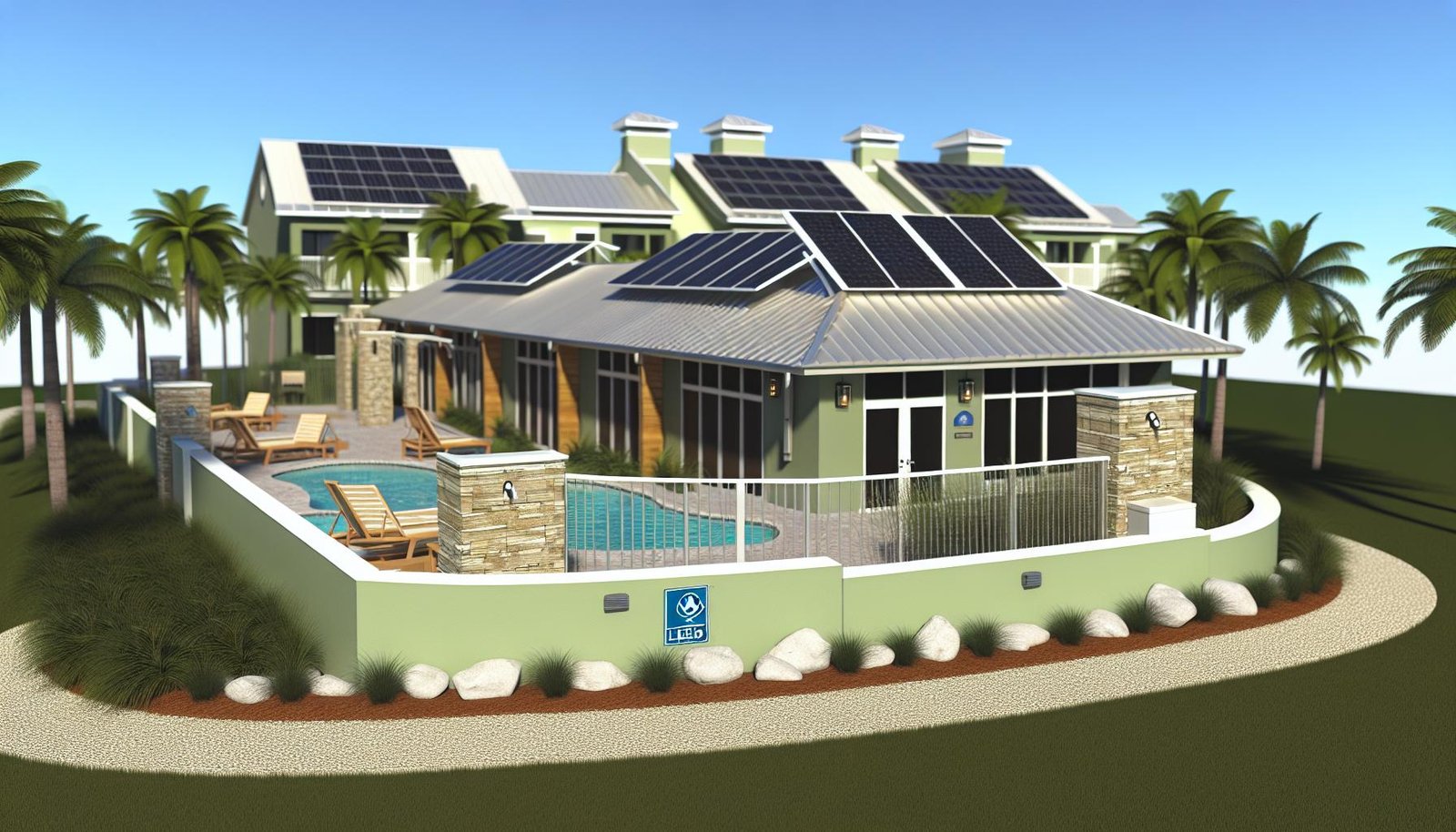
The growing demand for sustainable development in South Florida is reshaping how projects are planned, financed, and built. For ESG investors and construction firms focused on resilient, high-value portfolios, understanding sustainable construction Florida strategies is no longer optional—it is a critical competitive advantage. This article explores the technical, regulatory, and financial considerations that make green building Miami and sustainable construction Miami essential for long-term success in the region.
Why Sustainable Construction Matters to ESG Investors and Builders
ESG investors evaluate projects on environmental, social, and governance criteria to reduce risk and maximize long-term returns. For construction firms, delivering on sustainability goals attracts capital, reduces operating costs, and enhances marketability. Sustainable construction Florida achieves multiple objectives:
- Risk reduction: Climate resilient construction practices in Miami mitigate flood, heat, and storm risk for assets and tenants.
- Cost savings: Energy- and water-efficient designs lower operating expenses and improve net operating income.
- Market differentiation: Green building Miami credentials appeal to tenants, buyers, and capital providers prioritizing sustainability.
- Regulatory alignment: Compliance with Miami green building standards and certifications streamlines permitting and future proofs assets against evolving codes.
Understanding the Miami Context: Climate, Codes, and Market Drivers
Miami’s subtropical climate, rising sea levels, and intense hurricane exposure create a unique set of constraints and opportunities for sustainable builders. Developers must integrate climate-resilient infrastructure, efficient mechanical systems, and durable materials to meet both market expectations and regulatory requirements.
Local policy and incentive structures in 2025 increasingly favor projects that demonstrate measurable sustainability outcomes. From stormwater management to electrical resilience, Miami green building standards and certifications are becoming de facto requirements for institutional capital.
Key Certifications and Standards: LEED, WELL, ENERGY STAR, and Local Programs
For developers and construction firms, pursuing third-party verification reduces ambiguity and signals quality to investors. Common frameworks include:
- LEED certification for developers in Miami: LEED remains a widely recognized standard for energy efficiency, water conservation, and indoor environmental quality. Developers should evaluate LEED v4.1 or later to align with modern performance metrics.
- WELL and occupant health standards: Prioritizing occupant health through ventilation and materials selection supports property value and tenant retention.
- ENERGY STAR and high-performance metrics: ENERGY STAR certification and continuous measurement help demonstrate energy savings year over year.
- Local resilience and floodplain requirements: Adopting climate resilient construction practices in Miami, including elevated mechanical systems and flood-resilient materials, aligns projects with municipal expectations.
Achieving LEED certification for developers in Miami often unlocks access to public incentives, reduced development fees, and favorable financing terms from green funds. For institutional investors, documented certification provides a trusted benchmark for ESG reporting.
Design Principles for High Performance Buildings Miami
High performance buildings Miami requires a systems-based approach that balances envelope, HVAC, lighting, and controls. Key design principles include:
- Climate-appropriate envelope design: Thermal comfort and moisture control are critical. High-performance glazing, continuous insulation, and air-tight assemblies reduce cooling loads in Miami’s warm climate.
- Efficient mechanical systems: Variable refrigerant flow (VRF), high-efficiency chillers, and demand-controlled ventilation optimize energy consumption.
- Integrated renewable energy: Solar PV, battery storage, and microgrid-friendly design provide resilience and long-term operating cost savings.
- Advanced controls and commissioning: Building automation systems and ongoing commissioning ensure systems operate at peak efficiency throughout the building life cycle.
Projects that adhere to high performance building projects in Miami demonstrate measurable reductions in energy use intensity (EUI) and operational carbon—metrics that are decisive for ESG investors evaluating long-term asset quality.
Sustainable Construction Practices in Miami: Practical Measures
Implementing sustainable construction practices in Miami means selecting proven strategies that address energy, water, materials, and resilience. Key practices include:
- Water-efficient landscaping and fixtures: Low-flow fixtures, drought-tolerant native landscaping, and smart irrigation systems reduce potable water demand and minimize stormwater runoff.
- Stormwater management: Bioswales, permeable pavements, and green roofs mitigate flooding and support groundwater recharge.
- Material selection and circularity: Use of reclaimed materials, low-VOC finishes, and products with Environmental Product Declarations (EPDs) lower embodied carbon and improve indoor air quality.
- Waste reduction on site: Construction waste diversion, off-site prefabrication, and lean construction techniques shorten schedules and reduce costs.
- Durable, resilient assemblies: Corrosion-resistant cladding, flood-rated doors, and elevated mechanical rooms increase building longevity in coastal environments.
These sustainable construction practices in Miami not only enhance environmental performance but also protect long-term asset value against climate-related damage.
Eco Friendly Construction Miami: Materials and Technologies
Eco friendly construction Miami emphasizes low-impact materials and innovative technologies that reduce carbon and improve occupant wellbeing. Notable strategies include:
- Low-embodied carbon materials: Cross-laminated timber (where structurally appropriate), low-carbon concrete mixes, and recycled steel can substantially reduce embodied emissions.
- High-performance glazing and shading: Solar control coatings and automated shading reduce cooling demand without sacrificing daylight.
- On-site renewables and storage: Solar PV arrays paired with battery storage enable demand charge mitigation and resiliency during grid outages.
- Smart building systems: IoT sensors and energy management platforms enable continuous optimization and predictive maintenance.
Selecting partners among eco friendly construction companies in Miami who are experienced with these materials and technologies accelerates delivery while preserving quality.
Commercial Sustainable Construction Miami: Delivering Value to Tenants and Owners
Commercial sustainable construction Miami focuses on improving tenant satisfaction, reducing operating costs, and enhancing asset valuation. Strategies for commercial projects include:
- Net-zero energy targets for office and retail spaces: Combining solar generation with envelope improvements and efficient HVAC systems.
- Flexible, healthy interiors: Adaptable floor plates, improved ventilation, and daylighting that reduces lighting loads and improves occupant productivity.
- Transportation and site amenities: EV charging, bicycle storage, and walkable site plans support tenant sustainability goals and reduce car dependence.
Investors in commercial sustainable construction Miami reap rental premiums and longer lease terms as tenants increasingly prioritize sustainability and corporate net-zero commitments.
Residential Sustainable Construction Miami: Market Expectations and Best Practices
Residential sustainable construction Miami responds to homebuyer demand for lower utility costs, healthier indoor environments, and resilient design. Best practices include:
- Energy-efficient building envelopes: Insulation, air sealing, and high-performance windows tailored for Miami’s climate.
- Smart HVAC and water heating: Heat pump water heaters and efficient HVAC systems sized appropriately for real-world loads.
- Renewables and on-site energy: Rooftop solar integration with battery backups for life-safety circuits during extreme weather.
- Sustainable site planning: Orientation, shading, and landscaping that reduce heat island effects and lower cooling loads.
Residential sustainable construction Miami projects that demonstrate lower lifecycle costs and improved resilience enjoy faster absorption rates and stronger resale values.
Climate Resilient Construction Practices in Miami
Resilience is a defining component of sustainable construction Florida, especially in coastal urban areas. Climate resilient construction practices in Miami involve:
- Flood-proofing and elevation: Raising critical systems above expected flood levels and using flood-resistant materials for lower floors.
- Redundant systems: Backup power generation, microgrids, and passive survivability strategies that maintain critical functions during outages.
- Resilient landscaping: Salt-tolerant species, coastal buffers, and living shorelines that protect infrastructure and biodiversity.
- Insurance and financial risk mitigation: Projects designed to meet enhanced underwriting criteria can secure better insurance terms and lower premiums.
By incorporating climate resilient construction practices in Miami early in project development, owners reduce future repair costs and enhance insurability—a key consideration for risk-averse ESG investors.
Financial Considerations: Cost, ROI, and Incentives
Cost is often the first concern for owners and builders. While sustainable construction may involve higher upfront costs, lifecycle analysis demonstrates robust returns through energy savings, resilience, and market premiums. Key financial elements include:
- Whole life costing: Analyze capital expenditures versus operating savings over a 20- to 30-year horizon to capture the full value of sustainability measures.
- Incentives and grants: Federal, state, and local incentives in 2025 support renewable energy, efficiency upgrades, and resilience measures—reducing payback periods.
- Green financing: Access to green bonds, sustainability-linked loans, and energy-performance contracts can lower the cost of capital for sustainable construction Florida projects.
- ESG-driven premiums: Tenants and buyers are often willing to pay a premium for high-performance and certified green buildings, improving net operating income and asset value.
For ESG investors, sustainable construction projects can deliver superior risk-adjusted returns by combining immediate operational savings with long-term resilience benefits.
Choosing the Right Partners: Eco Friendly Construction Companies in Miami
Selecting contractors and consultants with proven experience in sustainable delivery is crucial. When evaluating eco friendly construction companies in Miami, consider:
- Project portfolio: Review past high performance building projects in Miami and documentation of delivered performance.
- Certifications and expertise: LEED-accredited professionals, WELL APs, and Certified Energy Managers indicate capability to meet rigorous standards.
- Supply chain and procurement: Commitment to low-embodied carbon materials and responsible sourcing reduces environmental impact and risk.
- Project delivery methods: Design-build, integrated project delivery, and prefabrication often lead to reduced waste and faster schedules.
Construction firms that partner with designers and commissioning agents on early-stage sustainability goals improve the probabilities of achieving targeted outcomes and certifications.
Implementation Roadmap for Sustainable Construction Florida Projects
A clear roadmap ensures sustainability objectives are implemented effectively. A recommended phased approach:
- Pre-development: Conduct site climate risk assessments, set ESG objectives, and model energy and water performance targets.
- Design: Integrate passive strategies, select high-performance systems, and align with intended certification pathways (e.g., LEED).
- Procurement: Specify low-embodied carbon materials, secure qualified eco friendly construction companies in Miami, and plan for prefabrication where beneficial.
- Construction: Implement waste diversion plans, robust quality control, and third-party verification where required.
- Commissioning and handover: Complete testing and commissioning, provide occupant training, and set up monitoring for performance verification.
- Operational optimization: Use building analytics, ongoing commissioning, and tenant engagement to maintain high performance over time.
This roadmap aligns owners, designers, and builders around measurable outcomes and supports transparent reporting for ESG investors.
Case Examples: High Performance Building Projects in Miami
Real-world examples of high performance building projects in Miami demonstrate how sustainable strategies translate into measurable outcomes. Successful projects often feature a combination of envelope improvements, efficient HVAC, on-site renewables, and resilient site design. Developers that prioritize early-stage modeling and continuous commissioning consistently achieve energy savings of 30% or more compared to conventional construction while improving occupant satisfaction and reducing insurance exposure.
While project specifics vary, consistent themes include a strong focus on sustainable construction practices in Miami, alignment with Miami green building standards and certifications, and collaboration across disciplines to manage cost while delivering performance.
Reporting and Accountability: Demonstrating Impact to ESG Investors
Transparent measurement and reporting are essential for securing and maintaining ESG capital. Investors expect:
- Baseline metrics: Document pre-occupation energy and water use, as-built modeling, and projected savings.
- Post-occupancy verification: Provide measured energy use intensity, water consumption, and indoor environmental quality data.
- Resilience metrics: Document flood elevations, backup power capacity, and recovery time objectives.
- Third-party assurance: Independent verification of LEED, ENERGY STAR, or other certifications improves credibility.
Consistent reporting supports performance-linked financing structures and enables investors to track risk reduction over time.
Barriers and How to Overcome Them
Common barriers to sustainable construction Florida projects include perceived higher upfront cost, limited supplier options for low-carbon materials, and fragmented project delivery. Strategies to overcome these barriers:
- Value engineering focused on lifecycle cost: Shift decision-making from first cost to whole-life cost to reveal savings.
- Early contractor involvement: Engage contractors and commissioning agents in design to optimize systems and reduce change orders.
- Procurement strategies: Consolidate volume purchases of green materials and use long-term service agreements for performance guarantees.
- Access to financing: Secure sustainability-linked loans or grants that offset incremental costs and improve project returns.
Why Partner with a Local Developer with Sustainable Expertise
Local developers and builders that understand the Miami market combine technical knowledge with regulatory and climate insights. Working with a partner experienced in green development Miami ensures:
- Contextual solutions: Site-specific design that responds to Miami’s climate and regulatory environment.
- Local supply chain: Established relationships with local eco friendly construction companies in Miami and material suppliers.
- Streamlined approvals: Familiarity with municipal expectations and certification processes reduces permitting risk and timelines.
For ESG investors and construction firms seeking to deploy capital in the region, partnering with proven local developers reduces execution risk and accelerates time-to-market for sustainable projects.
Conclusion: The Strategic Imperative of Sustainable Construction Florida
Sustainable construction Florida is more than a trend—it is a strategic imperative for investors and builders in Miami. From improving asset resiliency and reducing operating costs to meeting the expectations of institutional capital, sustainable construction Miami delivers measurable financial and environmental returns. By aligning project goals with Miami green building standards and certifications, leveraging high performance building principles, and implementing climate resilient construction practices in Miami, stakeholders can safeguard value and contribute to a more sustainable urban future.
If your organization is evaluating new developments or retrofit opportunities, consider a structured approach that integrates design excellence, verified performance, and long-term operational accountability. Work with partners who have demonstrated experience in residential sustainable construction Miami and commercial sustainable construction Miami to ensure both tenant satisfaction and investor confidence.
See our sustainable projects →
How can your next development incorporate measurable sustainability and resilience that align with investor expectations and protect long-term value?