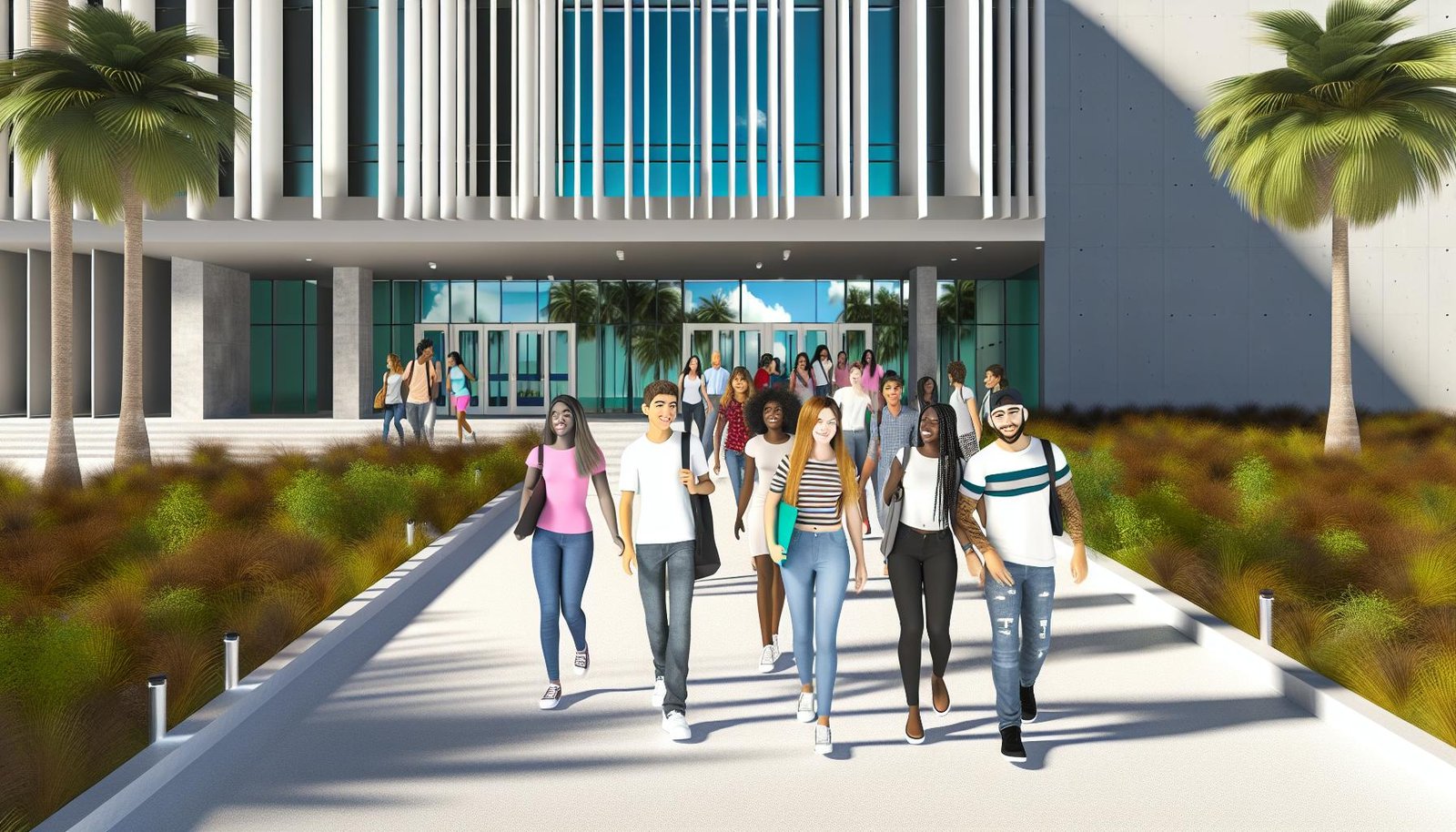
As Miami continues to expand and diversify, demand for high-quality educational facilities grows alongside it. Educational institutions and municipalities seeking a reliable partner for campus creation need a developer with specialized knowledge in school design, regulatory compliance, and community-driven delivery. This article provides a comprehensive guide to charter school construction in Miami, highlighting best practices, timelines, financing options, permitting considerations, and the role of experienced developers and builders in delivering turnkey school projects in 2025.
Why Miami Needs Purpose-Built Charter School Facilities
Miami’s population dynamics, demographic shifts, and education reform efforts put pressure on local authorities and charter operators to provide innovative learning environments. Purpose-built charter school facilities do more than house students; they serve as community anchors, address specialized program needs, and improve educational outcomes. From STEM labs and career technical education spaces to secure entry systems and flexible learning commons, modern charter school facilities in Miami must be designed to support evolving pedagogy and long-term operational sustainability.
Choosing the right charter school developer Miami or school construction company Miami is critical for translating program goals into built form. The right partner understands local market conditions, site acquisition strategies, and how to deliver on time and on budget.
Selecting a Company That Builds Charter Schools in Miami
When school boards, charter operators, or municipalities search for a partner, the phrase company that builds charter schools in Miami should return firms with proven experience in educational construction, regulatory knowledge, and a track record of completed projects. Key selection criteria include:
- Educational design expertise: Experience designing classrooms, common areas, and specialty spaces that meet program requirements.
- Regulatory and permitting experience: Knowledge of local zoning and permitting rules to limit delays.
- Financial structuring capability: Ability to advise on and implement financing strategies such as capital campaigns, bonds, grants, and public-private partnerships.
- Construction delivery models: Experience with design-build, construction management, and turnkey charter school development in Miami.
- Community and stakeholder engagement: Track record of working with municipalities, parents, and local agencies.
Many successful projects in Miami are completed by an integrated team consisting of a charter school builder Miami, architect, and a Miami charter school facility development company that collaborates closely with school leadership from concept through occupancy.
Project Delivery: Turnkey Charter School Development in Miami
Turnkey delivery models are attractive to many charter operators who seek a single point of responsibility for site selection, design, permitting, construction, and commissioning. A turnkey charter school development Miami provider streamlines procurement, reduces owner risk, and compresses the overall timeline for charter school construction in Miami.
Benefits of turnkey delivery include:
- Consolidated schedule and single contract.
- Early contractor involvement to optimize cost and constructability.
- Reduced administrative burden on school leadership and municipalities.
- Better coordination of FF&E (furniture, fixtures, and equipment) and commissioning activities.
Partnering with a developer who offers turnkey services can be particularly important when timelines are tight or when a charter operator is opening its first campus and lacks internal construction management capacity.
How to Finance Charter School Construction in Miami
One of the most pressing questions for operators and municipalities is how to finance charter school construction in Miami. Financing strategies vary depending on ownership model, creditworthiness, and public or private funding availability. Common options include:
- Public bonds and tax-exempt financing: Often available to public entities or through special lease financing structures.
- Charter school facility grants: State or federal grant programs that support capital for charter facilities.
- Private financing and bank loans: Traditional commercial lending, often used in combination with other sources.
- Philanthropic funding and capital campaigns: Local foundations or national philanthropists can underwrite portions of project costs.
- Public-private partnerships (P3): Transfers certain design, construction, and operational risks to private developers in return for long-term compensation streams.
An experienced charter school developer Miami or school construction company Miami will help craft a blended financing plan that mitigates risk and aligns with the operator’s mission. As of 2025, many local operators also leverage energy performance contracting and sustainability incentives to lower lifecycle operating costs.
Zoning and Permitting for Charter Schools in Miami
Zoning is a frequent source of delay for educational projects. When searching for a Miami charter school facility development company or Miami public charter school construction contractors, ensure they have a demonstrated record with local permitting authorities and zoning boards. Key considerations include:
- Use classification: Whether the charter school use is permitted by-right or requires special exception/variance in the intended zone.
- Parking and transportation impact: Requirements for drop-off circulation, bus lanes, and ADA-compliant parking.
- Occupancy and life-safety codes: Compliance with Florida Building Code and local fire marshal requirements.
- Environmental permitting: Stormwater management, coastal zone considerations, and tree protection ordinances.
Engaging a team with prior success in zoning and permitting for charter schools in Miami minimizes surprises and helps align project scope with local regulations early in the design process.
Estimating Costs: Costs of Building a Charter School in Miami
Understanding the costs of building a charter school in Miami is central to budgeting and financing. Costs vary widely depending on site conditions, programmatic complexity, and chosen delivery method. Typical cost components include:
- Site acquisition and preparation: soil remediation, grading, utilities.
- Hard construction costs: structural, architectural, MEP systems, finishes.
- Soft costs: design fees, permit fees, inspections, and legal fees.
- FF&E: furniture, technology, lab equipment, play structures.
- Contingency and escalation allowances: to cover unexpected conditions and price inflation.
In Miami, coastal exposures, floodplain requirements, and hurricane-resilient construction can add to initial capital costs but reduce long-term risk. A qualified charter school builder Miami will provide a detailed cost estimate, value engineering options, and lifecycle cost analysis so operators can make informed decisions.
Timeline for Charter School Construction in Miami
A realistic timeline for charter school construction in Miami depends on project scope and delivery model. Typical stages and durations include:
- Concept and feasibility: 2–3 months for initial programming, site feasibility, and budgetary estimates.
- Schematic design and approvals: 3–6 months to develop preliminary designs and secure zoning approvals or variances.
- Design development and permitting: 4–8 months depending on permit complexity and agency review cycles.
- Procurement and contractor selection: 1–3 months for RFQs, interviews, and contract negotiations.
- Construction: 9–18 months for ground-up builds; adaptive reuse projects can compress schedules but require careful preconstruction planning.
- Commissioning and occupancy: 1–2 months for systems testing, staff training, and regulatory inspections.
Overall, from concept to opening, plan for 12–30 months depending on complexity. Early involvement of a school construction company Miami or charter school developer Miami reduces lead times by aligning design and permitting strategies with construction sequencing.
Design Priorities for Charter School Facilities in Miami
Design priorities should align with the school’s pedagogical model, community needs, and long-term maintenance considerations. For operators and municipalities, typical priorities include:
- Flexible learning environments: Movable partitions, adaptable furniture, and technology-ready classrooms that support multiple instructional models.
- Safety and secure campus design: Controlled entry points, clear sightlines, and integration of security technology without creating a fortress-like environment.
- Outdoor learning and climate resilience: Shaded outdoor classrooms, stormwater management, and elevated design strategies in flood-prone areas.
- Specialized facilities: Science labs, CTE workshops, arts studios, and athletic facilities designed to meet program-specific codes.
- Energy efficiency and sustainability: Passive design, efficient HVAC systems, and durable materials to minimize operating costs.
Incorporating these priorities requires a collaborative process between the operator, architect, and a charter school builder Miami experienced with local conditions.
Miami Public Charter School Construction Contractors: What to Expect
Working with qualified Miami public charter school construction contractors ensures adherence to public procurement rules, transparency, and fiscal accountability. Public projects often require additional documentation, prevailing wage compliance, and more structured bidding processes. Municipalities and charter operators should expect:
- Formal bid packages and clear scopes of work.
- Rigorous submittal reviews and quality control programs.
- Documentation and reporting requirements tied to funding sources.
- Opportunity for minority- and women-owned business participation where applicable.
A reputable contractor will communicate these requirements up front and provide a realistic schedule and budget contingency plan.
Identifying the Best Charter School Builders in Miami
Finding the best charter school builders in Miami involves a careful assessment of experience, references, financial stability, and a demonstrated commitment to educational outcomes. Ask prospective builders for:
- Case studies of completed charter school projects in South Florida.
- References from school leaders and municipal partners.
- Examples of working with financing partners and grant-funded projects.
- Evidence of safety programs and low incident rates on similar projects.
When evaluating bids, consider lifecycle costs, not just initial construction price. The best builders partner with owners to deliver durable facilities that reduce maintenance expenses and support student success.
Adaptive Reuse vs. Ground-Up Construction
Charter operators often face a choice between adaptive reuse of existing structures and ground-up construction. Each approach has trade-offs:
- Adaptive reuse: Faster occupancy and potentially lower initial costs; however, it may require compromises in layout and higher long-term retrofit expenses to meet educational and code requirements.
- Ground-up construction: Greater design freedom to meet program needs, more predictable performance, and long-term value, but typically longer timelines and higher upfront capital needs.
A skilled charter school developer Miami will conduct a cost-benefit analysis tailored to the operator’s goals and funding constraints.
Community Engagement and Municipal Collaboration
Successful projects are built with—not simply for—the community. Early stakeholder engagement helps secure community buy-in, identify potential site constraints, and align project goals with municipal planning objectives. Collaboration with municipalities can unlock additional resources, such as land disposition agreements, infrastructure contributions, or expedited review processes.
Engagement strategies include public meetings, design charrettes, and regular communication channels that keep parents, local leaders, and staff informed and invested in the outcome.
Resilience and Long-Term Operational Efficiency
Miami’s coastal location requires special attention to resilience. Flood mitigation, elevated mechanical equipment, hurricane-resistant glazing, and hardened infrastructure are essential for educational continuity. Energy-efficient design reduces operating costs, freeing budget for instruction and student services. Incorporating resilient and sustainable systems during design reduces lifecycle costs and improves facility reliability in the face of increasingly frequent severe weather events.
Case Studies and Examples of Successful Projects
While every project is unique, notable successes share common traits: clear program definition, early involvement of experienced builders, integrated financing strategies, and strong municipal partnership. Whether delivered as a turnkey charter school development in Miami or as a phased expansion, these projects demonstrate how well-executed planning and construction translate into tangible benefits for students and communities.
Prospective clients should request detailed case studies from potential partners to assess relevance and capabilities before selection.
Checklist: Selecting Your Charter School Development Team
- Confirm experience with educational projects and local Miami regulations.
- Request references from similar charter school projects.
- Evaluate financial solutions and willingness to participate in creative financing.
- Review timeline commitments and understand how contingencies will be managed.
- Ensure design prioritizes safety, adaptability, and long-term operational efficiency.
- Assess community engagement approach and municipal liaison experience.
Why Partner with an Experienced Miami Charter School Facility Development Company?
An experienced Miami charter school facility development company brings local market expertise, a network of reliable subcontractors, and familiarity with funding mechanisms specific to education. This expertise reduces risk, shortens the path to occupancy, and often lowers total cost of ownership through smarter design decisions and energy-conscious systems. For municipalities and operators, that translates to better outcomes for students and taxpayers.
Final Considerations for Municipalities and Educational Institutions
Municipalities and educational institutions must align strategic planning with realistic project delivery expectations. Prioritize early feasibility studies, secure multi-party commitments for funding, and select partners with demonstrated success in the Miami market. Whether you need a charter school construction Miami specialist, a proven charter school builder Miami, or a full-service turnkey charter school development in Miami, the decisions you make at the outset shape long-term educational outcomes.
Contact and Next Steps
For school operators and municipalities ready to advance their projects, engaging a knowledgeable development partner early is essential. A qualified team will prepare a project roadmap, outline financing options, and present a phased schedule tailored to your goals. If you are seeking a reliable company that builds charter schools in Miami with experience in design, permitting, financing, and construction, begin with a comprehensive feasibility review and site assessment.
Contact us about your educational project to discuss how a coordinated development approach can deliver durable, resilient, and student-centered facilities for your community.
What is the single most important outcome your institution or municipality seeks from a new charter school facility, and how can a development partner help you achieve it?